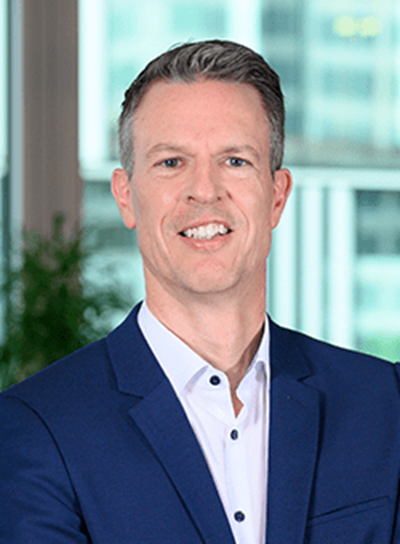
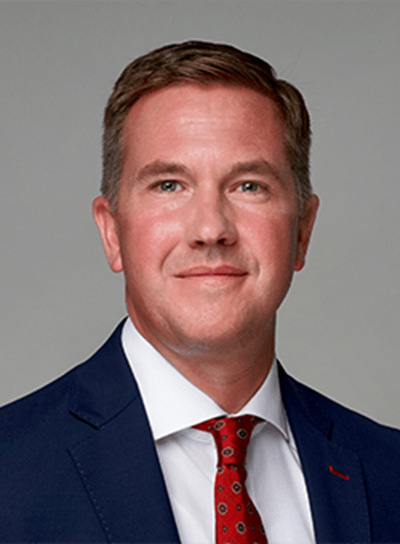
Five questions for Rolf Wehrli and Thorsten Schneidewind on the autonomy of the Vita Collective Foundation
1. The Vita Collective Foundation will become autonomous as of January 1, 2028. What does this actually mean for the Foundation and for Zurich?
Rolf Wehrli:
In the future, we will bear not only the investment risk but also the risks of death and disability ourselves. The market has changed over past years. We have therefore concluded that, as an autonomous collective foundation, we can offer our customers more competitively priced products while maintaining the same level of quality and security. At the same time, this helps us strengthen our competitiveness.
This decision is part of our strategy for further development. From an external perspective, it may seem surprising. However, given our size, we have been considering this idea for some time now.
Thorsten Schneidewind:
For Zurich, the autonomy of the Vita Collective Foundation from January 1, 2028, primarily means the realignment of collaboration – not an end to the partnership. In the future, the Vita Collective Foundation will bear the risks of death and disability itself. However, we will remain an important partner and continue to handle key tasks on behalf of the Foundation, such as sales and administration.
Alongside the Vita Collective Foundation, we will continue to pursue the same goal in the future: a robust, sustainable and market-aligned retirement provision solution for affiliated companies and their employees.
2. The Vita Collective Foundation will now bear the risks of death and disability itself. Does this have any impact on the security of the Foundation or on the security of the pension funds assets it manages?
Rolf Wehrli:
The greatest risk for an autonomous pension fund is the investment risk. We have been bearing this ourselves ever since the introduction of semi-autonomy in 2003.
Our financial position is very strong: As of the end of 2025, the coverage ratio stands at 115 percent, and value fluctuation reserves have been fully established. This allows us to pay interest of up to 4 percent on retirement assets in 2026.
The move towards autonomy therefore does not affect the Foundation's financial stability.
Of course, our pension fund expert will also be accompanying us through this process. We are taking this step deliberately and have prepared it thoroughly.
3. What are the implications of autonomy for the affiliated companies and the insured?
Rolf Wehrli:
The transition to autonomy has extremely positive effects for our customers. We expect to be able to offer most customers a lower risk premium starting in 2028.
A collective foundation does not need to set aside the same amount of capital to cover disability or death benefits as a traditional life insurance company. This will have a positive impact on the cost of our retirement provision solutions. Across our entire portfolio, we currently expect risk premiums to decrease by about 10 to 20 percent.
For the affiliated companies, the retirement provision solution, processes and points of contact will remain the same. In short: Our companies and insured individuals will benefit from lower costs and more attractive terms.
4. What will the collaboration between the Vita Collective Foundation and Zurich look like in the future?
Thorsten Schneidewind:
We are realigning our partnership with the Vita Collective Foundation, but we will continue to consciously walk this path together. The proven collaboration in the areas of policy administration, claims processing and sales will continue seamlessly. Thus, we will support the Vita Collective Foundation on its path to autonomy.
Rolf Wehrli:
Our vision is clear: We want to offer our customers sustainable occupational retirement provision on the best possible terms. As a foundation, we have an obligation to our beneficiaries to ensure that our services are priced in line with market rates. We are reviewing our partnership with Zurich in various areas and will continue it in a way that creates the greatest value for our insured persons.
5. What happens next? What are the next steps?
Thorsten Schneidewind:
The transition to autonomy is demanding and entails high levels of complexity. We take this responsibility seriously and want to ensure that existing customers of the Vita Collective Foundation continue to receive the same level of service they are accustomed to. By refraining from taking on new business and contract takeovers during the current quotation season, we can focus our efforts on the transformation. We are simultaneously using this time to review and realign our future positioning in the Swiss BVG market.
Rolf Wehrli:
The following applies for our customers: You do not need to do anything. We will keep affiliated companies informed of all further steps in a timely and transparent manner.
In short: The focus now is on careful implementation.